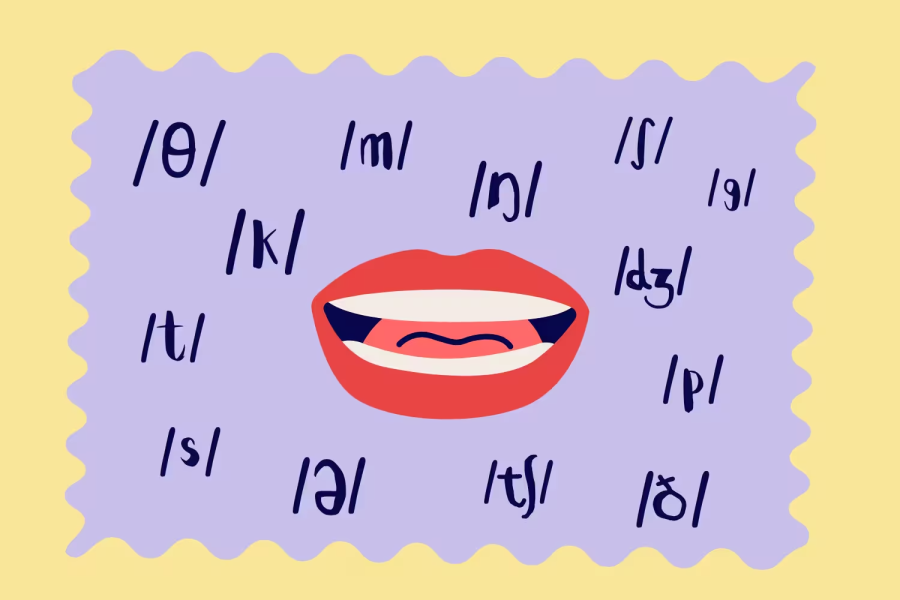


Frontal and lateral lisps are considered mild articulation errors, yet they can be difficult to change for some clients. In this course, Pam Marshalla, MA, CCC-SLP, presents practical techniques for remediating the six sibilants: S, Z, Sh, Zh, Ch, and J.
Pam begins with the normal production of these sounds, based on research in palatography, and moves directly into remediation. Her approach addresses the tongue mobility and stability problems associated with both lisps, jaw stability in frontal lisp therapy, and creating and refining the midline central groove for sibilant production. She also covers the individual needs of each sibilant and how to integrate speech movement work with auditory discrimination.
These techniques follow an evidence-based practice model that integrates information from the lab, the clinic, and the client, drawing on historic and modern articulation therapy texts, research data, and Pam's own clinical experience. You'll learn how to plan remediation around orthodontic problems and each client's age, neuromuscular considerations, and cognitive status, and how to shift responsibility for change to the client through therapy and homework activities.
Related Courses:
Successful "R" Therapy
Carryover Techniques in Articulation and Phonology
Improving Intelligibility in Apraxia and Dysarthria
Show more
Less