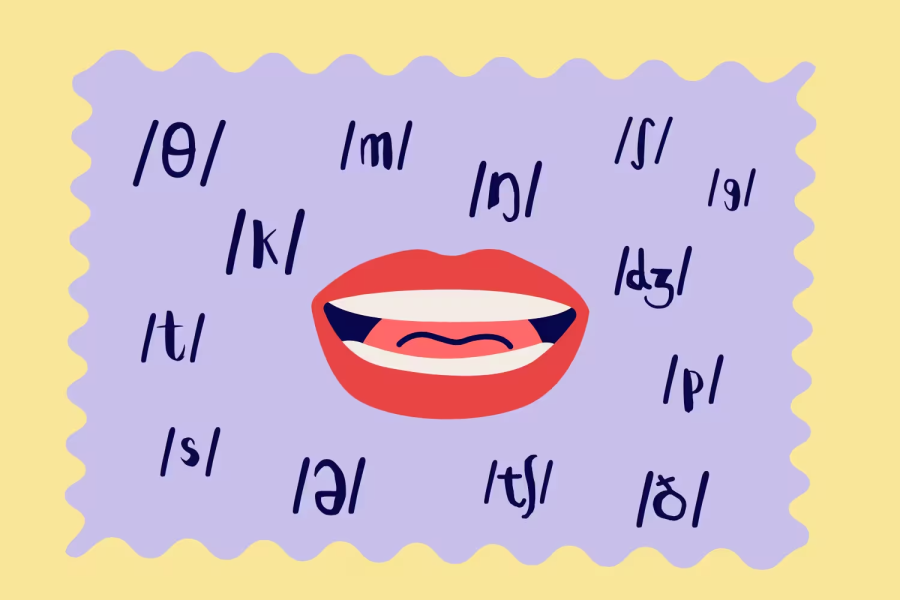





In this course, Dr. Carol Koch, a professor at Stanford University and an experienced clinician, provides insights into her extensive work with children facing severe speech sound disorders, including childhood apraxia of speech and autism spectrum disorders. She shares her journey from initial difficulties in addressing R sound errors to becoming adept at employing advanced intervention strategies. The presentation covers her recent textbook and co-authored works on speech and literacy therapy techniques.
Key points include the correct use of the International Phonetic Alphabet (IPA) for R sounds, distinguishing between typical and non-typical sound representations, and the various articulatory postures that affect sound production. Emphasis is placed on phonetic symbols, proper tongue placement, and the motor planning necessary for correct R production, utilizing both acoustic and tactile feedback methods. The importance of phonetic contexts, variability in practice, and employing metaphors and rich descriptions to improve speech outcomes are also highlighted.
The session includes practical strategies such as physical prompts, tactile feedback, and ultrasound imaging for live visual biofeedback. Techniques like using facilitating contexts, tongue depressors, and sound manipulations are discussed to aid in accurate sound production. The Q&A segment addresses topics from teletherapy challenges to managing tongue ties, providing comprehensive guidance for clinicians working with various age groups.
Key points include the correct use of the International Phonetic Alphabet (IPA) for R sounds, distinguishing between typical and non-typical sound representations, and the various articulatory postures that affect sound production. Emphasis is placed on phonetic symbols, proper tongue placement, and the motor planning necessary for correct R production, utilizing both acoustic and tactile feedback methods. The importance of phonetic contexts, variability in practice, and employing metaphors and rich descriptions to improve speech outcomes are also highlighted.
The session includes practical strategies such as physical prompts, tactile feedback, and ultrasound imaging for live visual biofeedback. Techniques like using facilitating contexts, tongue depressors, and sound manipulations are discussed to aid in accurate sound production. The Q&A segment addresses topics from teletherapy challenges to managing tongue ties, providing comprehensive guidance for clinicians working with various age groups.
Show more
Less