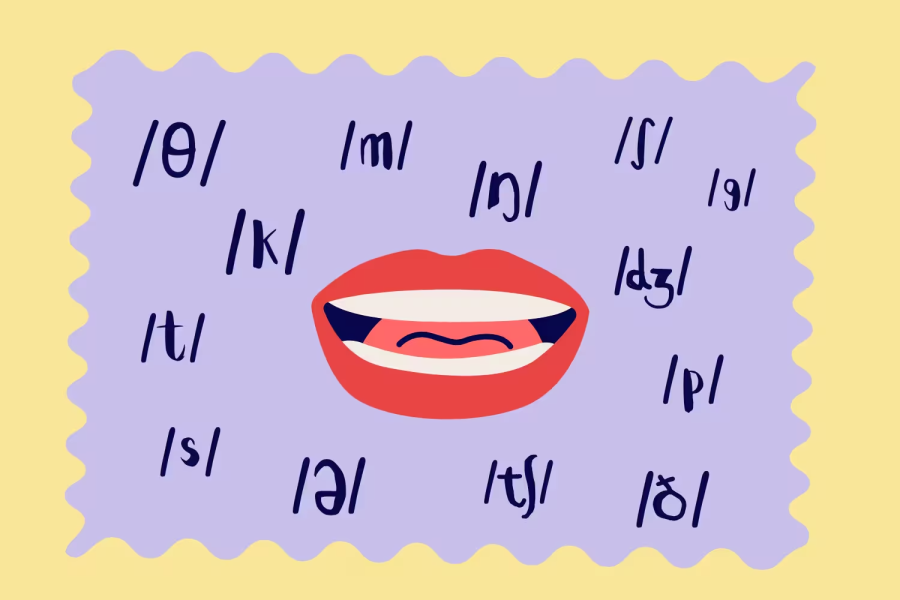


Speech sound intervention doesn't have to follow a rigid structure to be effective. In this course, Taylor Nizich, MS, CCC-SLP, CAS, explores how SLPs can incorporate neurodiversity-affirming practices into evidence-based speech sound intervention while maintaining meaningful, functional goals. Participants will learn how to adapt traditional therapy approaches to honor each child's individual needs, interests, preferences, and communication style.
The course examines how therapeutic relationships, autonomy, sensory needs, and regulation can influence a child's engagement and progress. Through practical examples, participants will explore ways to incorporate speech sound targets into child-led play, conversation, preferred activities, and literacy-based tasks while adjusting cueing, feedback, pacing, and practice opportunities to meet individual needs.
Participants will also learn how to balance structured practice and data collection with meaningful communication opportunities, recognize progress beyond speech sound accuracy, and support generalization across settings. Clinical examples will help SLPs identify when a child may be struggling with the therapy format rather than the target skill and make thoughtful adjustments without compromising evidence-based intervention.
The goal isn't to change what we're working toward, but to recognize that every child may need a different path to get there. This course offers practical ways to make speech sound intervention more flexible, responsive, and supportive of each child's communication and participation.
Show more
Less