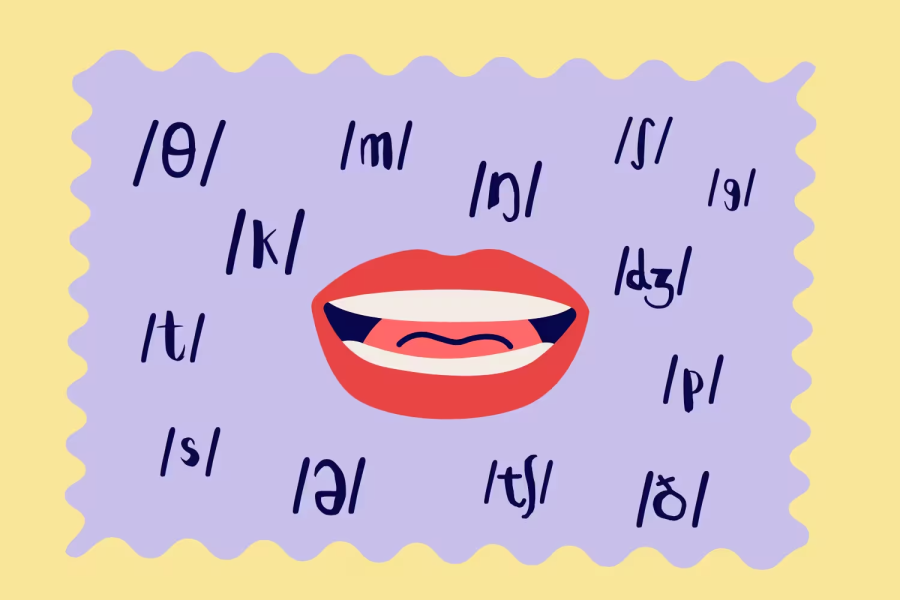





Why do so many clients continue to struggle with the /r/ sound despite months or even years of therapy? The answer often isn't more practice. It's using the right approach. In this practical course, Susan Haseley, MS, CCC-SLP, shares a different way of thinking about /r/ treatment that helps clinicians identify the source of errors, establish accurate productions, and build meaningful self-monitoring skills that carry over beyond the therapy room.
Rather than relying on endless repetition, you'll learn how to position the articulators effectively, use tactile cues to shape accurate productions, and partner with your clients so they can recognize, discuss, and analyze their own speech. As clients learn to identify correct and incorrect /r/ productions, they develop the skills needed to self-correct with greater independence.
Susan also demonstrates how tactile therapy can provide valuable diagnostic information when progress stalls, helping you determine why a client is struggling and select treatment strategies that address the underlying challenge. Through hands-on activities, you'll practice producing incorrect /r/ sounds to better understand common error patterns and learn practical techniques for moving clients from words to conversation with greater confidence.
When therapy is organized, purposeful, and efficient, clients make progress faster and clinicians can better manage their caseloads. You'll leave with practical strategies to improve outcomes, reduce frustration, and make /r/ therapy more successful for both you and your clients.
Rather than relying on endless repetition, you'll learn how to position the articulators effectively, use tactile cues to shape accurate productions, and partner with your clients so they can recognize, discuss, and analyze their own speech. As clients learn to identify correct and incorrect /r/ productions, they develop the skills needed to self-correct with greater independence.
Susan also demonstrates how tactile therapy can provide valuable diagnostic information when progress stalls, helping you determine why a client is struggling and select treatment strategies that address the underlying challenge. Through hands-on activities, you'll practice producing incorrect /r/ sounds to better understand common error patterns and learn practical techniques for moving clients from words to conversation with greater confidence.
When therapy is organized, purposeful, and efficient, clients make progress faster and clinicians can better manage their caseloads. You'll leave with practical strategies to improve outcomes, reduce frustration, and make /r/ therapy more successful for both you and your clients.
Show more
Less